




Category: Uncategorized
7 Best Toothpaste Choices for a Healthier Smile (Dentist Recommended!)
Choosing the Right Toothpaste for Your Smile
Save Your Smile With These 7 Shocking Facts!
Gum Disease is a prevalent condition that affects millions of people worldwide. Gum Disease can impact your overall oral health and why early detection of Gum Disease is crucial. Understanding Gum Disease is the first step towards preventing Gum Disease and maintaining a healthy smile. Our aim is to shed light on Gum Disease and provide actionable insights to combat Gum Disease effectively.
What is Gum Disease?
Gum Disease is not just a minor inconvenience; it is a serious infection that can lead to tooth loss and other complications. Experts agree that untreated Gum Disease can result in chronic health issues. Learning about Gum Disease early on allows you to take preventive measures against Gum Disease and avoid future dental problems.
Causes and Risk Factors for Gum Disease
Several factors contribute to Gum Disease. Poor oral hygiene, smoking, and genetic predisposition are known risk factors for Gum Disease. Additionally, diet and stress may exacerbate Gum Disease progression. Recognizing the early signs of Gum Disease can help you seek timely treatment and prevent the advancement of Gum Disease.
Prevention and Treatment Options for Gum Disease
Preventing Gum Disease involves a combination of good oral hygiene practices and regular dental visits. Brushing, flossing, and professional cleanings are essential to ward off Gum Disease. Many dental professionals recommend specific treatments to reverse early stages of Gum Disease. By adopting these practices, you can significantly reduce your risk of Gum Disease.
Advanced cases of Gum Disease may require surgical intervention and long-term management. Recent studies highlight innovative approaches to treating Gum Disease. If you suspect you have Gum Disease, it is vital to consult with a dental specialist immediately. Timely intervention is key to stopping Gum Disease from causing irreversible damage.
Impact on Overall Oral Health
Maintaining optimal oral hygiene is essential for preventing many oral infections. Poor oral health can lead to complications that extend beyond the mouth, affecting the heart and other organs. Research shows that inflammation in the mouth may contribute to systemic conditions, emphasizing the importance of regular check-ups and proper daily care.
A balanced diet, stress management, and routine visits to a dental professional play a significant role in protecting your overall health. Understanding the interconnected nature of oral and systemic well-being can empower you to make better health choices.
Debunking Common Myths and Misconceptions
There are many misconceptions about oral infections and their consequences. One common myth is that a mild irritation or bleeding gums can be ignored. In reality, early signs of an oral infection should never be dismissed. Misunderstandings about the causes and risks can lead to delayed treatment and more severe health issues.
It is important to rely on credible sources and consult with professionals for accurate information. Dispelling these myths helps promote a proactive approach to maintaining good oral health.
Cutting-Edge Research and Innovative Treatments
The dental industry is continuously evolving with new technologies and treatment methods. Researchers are exploring novel ways to diagnose and manage oral infections with less invasive procedures and more effective therapies. From laser treatments to advanced regenerative techniques, innovation is transforming the landscape of dental care.
Keeping abreast of the latest developments can help you benefit from state-of-the-art solutions and improve your overall treatment outcomes. Dental research continues to offer hope and improved quality of life for patients facing oral health challenges.
Actionable Tips for Better Oral Health
Alongside professional advice, there are several daily practices that can boost your oral hygiene routine. Start by choosing the right toothbrush and toothpaste, and remember to floss regularly. Incorporate mouthwash into your routine if recommended by your dentist, and avoid foods high in sugar that can exacerbate oral issues.
Establish a consistent schedule for dental visits and stay informed about the latest oral care recommendations. By making small, manageable changes, you can create lasting improvements in your oral health.
NJ Laser Dentistry Takes Your Oral Health Serious
Taking care of your oral health doesn’t have to be complicated. By incorporating these tips into your daily routine, you can enjoy strong, healthy teeth and gums for years to come. Remember, a healthy smile contributes to overall well-being and confidence. Start today and prioritize your oral hygiene for a brighter future. Your teeth are an investment in your health, and taking small steps each day can lead to long-term benefits. Find out more about maintaining oral health.
By taking proactive steps and staying committed to oral hygiene, you can prevent common dental issues and enjoy a lifetime of healthy smiles. Don’t underestimate the power of daily habits and regular dental visits in keeping your teeth and gums in the best possible condition.
8 Need To Know Tips for Healthy Teeth and Gums
Maintaining healthy teeth and gums is essential for a radiant smile and overall health. Poor oral hygiene can lead to issues like cavities, gum disease, and even more serious health conditions. Good oral care contributes to better digestion, clearer speech, and a healthier body. By following simple yet effective practices, you can ensure a lifetime of optimal oral health. Read on to see if this sounds too familiar to you:
“Sophia had always been proud of her bright smile. She was diligent about brushing her teeth twice a day and thought she was doing enough to maintain good oral health. However, during a routine dental check-up, her dentist delivered unexpected news—she had early signs of gum disease. Shocked and concerned, Sophia realized that her oral care routine needed a serious upgrade. Determined to reverse the damage, she started researching the best ways to take care of her teeth and gums. Through her journey, she discovered that oral health goes beyond just brushing; it requires a combination of daily habits, a balanced diet, and regular dental visits. By making a few small but impactful changes, Sophia was able to restore her oral health and regain confidence in her smile. Her story serves as a reminder that maintaining healthy teeth and gums is a lifelong commitment that requires knowledge and dedication.”
What You Can Do Today
1. Brush Properly and Regularly
Brushing your teeth twice a day is crucial, but technique matters too. Use a soft-bristled toothbrush and fluoride toothpaste. Hold the brush at a 45-degree angle and use gentle, circular motions to clean all surfaces of your teeth. Don’t forget to brush your tongue to remove bacteria and freshen your breath. Brushing for at least two minutes each time ensures a thorough clean.2. Floss Daily
Flossing is just as important as brushing. It helps remove food particles and plaque from between your teeth where your toothbrush can’t reach. Make it a daily habit to prevent cavities and gum disease. If traditional flossing is challenging, consider using floss picks or a water flosser for added convenience and effectiveness.3. Eat a Tooth-Friendly Diet
Your diet plays a significant role in oral health. Avoid sugary snacks and beverages, as they can lead to cavities. Instead, focus on foods rich in calcium, such as dairy products, leafy greens, and almonds, to strengthen your healthy teeth and gums. Incorporating crunchy fruits and vegetables like apples and carrots can help clean teeth naturally and stimulate gum health.4. Stay Hydrated
Drinking plenty of water helps wash away food particles and bacteria that cause bad breath and cavities. Fluoridated water, in particular, strengthens tooth enamel and fights decay. Staying hydrated also helps prevent dry mouth, which can contribute to oral health problems and bad breath.5. Visit Your Dentist Regularly
Routine dental check-ups are essential for maintaining oral health. Your dentist can detect early signs of dental problems and provide professional cleanings to remove plaque buildup that brushing alone can’t handle. Dental visits also provide an opportunity to discuss any concerns you may have about your oral health. Learn more about the importance of regular dental visits.6. Use Mouthwash Wisely
A good mouthwash can help reduce plaque, fight gum disease, and freshen breath. Choose an alcohol-free mouthwash with antibacterial properties to support your daily oral hygiene routine. Mouthwash can also help reach areas that brushing and flossing might miss, offering extra protection against cavities and gum disease.7. Avoid Harmful Habits
Smoking and excessive alcohol consumption can harm your healthy teeth and gums. Smoking stains teeth, contributes to gum disease, and increases the risk of oral cancer. Limiting these habits can greatly improve your oral health. Additionally, chewing on hard objects such as ice or using your teeth as tools can lead to chips and cracks.8. Protect Your Teeth
If you participate in contact sports or grind your teeth at night, consider wearing a mouthguard to protect your healthy teeth and gums from damage. Grinding can lead to tooth wear and sensitivity over time. Custom-fitted mouthguards from your dentist offer the best protection compared to store-bought options.Taking care of your oral health doesn’t have to be complicated. By incorporating these tips into your daily routine, you can enjoy strong, healthy teeth and gums for years to come. Remember, a healthy smile contributes to overall well-being and confidence. Start today and prioritize your oral hygiene for a brighter future. Your teeth are an investment in your health, and taking small steps each day can lead to long-term benefits. Find out more about maintaining oral health.
By taking proactive steps and staying committed to oral hygiene, you can prevent common dental issues and enjoy a lifetime of healthy smiles. Don’t underestimate the power of daily habits and regular dental visits in keeping your teeth and gums in the best possible condition.
Teeth Whitening or Veneers: 5 Key Differences To Make A Decision
When it comes to enhancing your smile, two popular cosmetic dental treatments often come up: teeth whitening and veneers. But which one is right for you? In this blog, we’ll compare teeth whitening vs. veneers, highlighting their key differences, benefits, and the best situations for each option. Whether you’re looking for a quick fix or a long-term smile makeover, this guide will help you make an informed decision.
What is Teeth Whitening?
Teeth whitening is a non-invasive cosmetic procedure designed to brighten your smile by removing stains and discoloration from the surface of your teeth. It’s often done in-office with professional-grade products or at home with dentist-approved kits. Teeth whitening can be a fast, effective solution for those with stained or yellowing teeth, and it’s one of the most affordable treatments available at NJ Laser Dentistry.
Pros of Teeth Whitening:
- Quick results (usually within an hour for in-office treatments)
- Non-invasive and comfortable
- Affordable compared to other cosmetic treatments
- Ideal for people with mild staining or discoloration
Cons of Teeth Whitening:
- Results may not last as long, requiring touch-ups
- Doesn’t fix issues like chips or misalignment
- Not suitable for everyone, especially those with sensitive teeth
What Are Veneers?
Veneers are thin, custom-made shells of porcelain or composite material that are bonded to the front of your teeth. They’re designed to cover imperfections like chips, cracks, misalignment, or severe discoloration. While veneers offer a permanent solution, they require a bit more preparation and are often used for patients looking for a complete smile makeover.
Pros of Veneers:
- Long-lasting results (up to 10-15 years or more)
- Can correct multiple dental issues at once, including shape, size, and alignment
- Highly customizable to achieve the ideal smile
- Less maintenance after application compared to teeth whitening
Cons of Veneers:
- More expensive than teeth whitening
- Requires removal of a small amount of tooth enamel
- Permanent treatment, as enamel is altered
What to Do When Tooth Pain is Unbearable: 6 Effective Solutions
Disclaimer: ***This is not medical/dental advice and should not be taken unless directed by your dentist and primary doctor, This article is for blogging purposes and not intended to be used as treatment or medical advice. If you are experiencing an emergency, contact us by phone to be scheduled immediately.***
——
Tooth pain is one of the most common dental complaints, and when it becomes unbearable, it can disrupt your entire day. Whether it’s caused by cavities, gum disease, or an infection, understanding how to manage tooth pain effectively can provide temporary relief and guide you toward long-term solutions. This guide explores several methods to relieve severe tooth pain and the steps you can take to prevent it in the future.
Understanding Tooth Pain: Causes and Types
Tooth pain can manifest in various ways, from sharp, sudden jabs to persistent throbbing aches. It is essential to understand the underlying causes of your tooth pain in order to find the most effective treatment.
Common Causes of Tooth Pain
- Cavities: When bacteria erode the tooth enamel, it can lead to cavities, causing sensitivity and pain.
- Gum Disease: Inflammation and infection in the gums can lead to throbbing pain.
- Cracked or Broken Teeth: A fractured tooth can expose sensitive nerves, resulting in sharp pain.
- Dental Abscesses: Infection in the root of the tooth can cause intense, throbbing pain.
- Sinus Infections: Sometimes, sinus pressure can mimic tooth pain, especially in the upper teeth.
Types of Tooth Pain
- Sharp Pain: Often caused by cavities, cracks, or exposed nerves.
- Throbbing Pain: Typically linked to infections or abscesses.
- Constant Pain: May indicate a long-term dental issue, such as gum disease or jaw problems.
When to Seek Professional Help for Tooth Pain
While home remedies and over-the-counter treatments can provide temporary relief, certain signs indicate it’s time to seek professional dental care. Ignoring severe tooth pain can lead to further complications, so it’s important to act promptly.
Signs You Need to See a Dentist
- Unbearable Pain: If tooth pain is so severe that it disrupts your daily activities (eating, speaking), seek professional help immediately.
- Persistent Pain: Pain lasting more than a day or two could indicate an infection or decay that requires immediate attention.
- Accompanying Symptoms: Symptoms like fever, swelling in the gums, or an unpleasant taste in the mouth can signal an infection.
Home Remedies for Relief from Tooth Pain
While waiting to see a dentist, there are several home remedies you can try to manage and temporarily alleviate tooth pain. These methods may provide short-term relief, but they should not replace professional dental care if the problem persists.
1. Warm Salt Water Rinse
A simple and effective home remedy, saltwater rinses can help reduce inflammation, kill bacteria, and soothe the painful area.
How to Use:
- Dissolve half a teaspoon of salt in a cup of warm water.
- Swish the solution around your mouth for 30 seconds to a minute, and repeat several times a day.
2. Cold Compress
Applying a cold compress to the outside of your cheek near the affected tooth can numb the area and reduce swelling, offering relief from throbbing pain.
How to Use:
- Wrap a few ice cubes in a clean cloth or use a cold pack.
- Apply it to the outside of your cheek for 15-20 minutes at a time.
- Take breaks between applications to avoid skin irritation.
3. Clove Oil
Clove oil has been used for centuries as a natural pain reliever due to its analgesic properties. It can numb the pain and reduce inflammation in the affected area.
How to Use:
- Dab a small amount of clove oil onto a cotton ball or cotton swab.
- Gently apply it to the sore area. Be cautious not to apply too much, as the oil is potent.
4. Peppermint Tea Bags
Peppermint has natural soothing properties that can help reduce pain and provide a cooling effect.
How to Use:
- Steep a peppermint tea bag in hot water, then allow it to cool.
- Once it’s cool enough, place the tea bag on the painful area of your mouth for relief.
- You can also use a used tea bag that has cooled down.
5. Garlic
Garlic has natural antibacterial and analgesic properties, making it a great remedy for pain caused by infection.
How to Use:
- Crush a garlic clove to release its juices.
- Apply the crushed garlic directly to the sore tooth.
- Let it sit for a few minutes before rinsing your mouth with warm water. Be aware that garlic can be quite potent, so use with caution.
6. Hydrogen Peroxide Rinse
Hydrogen peroxide has antibacterial properties that can help reduce infection and ease tooth pain. It can also help clean the affected area and promote healing.
How to Use:
- Mix equal parts of hydrogen peroxide (3%) and water.
- Swish the solution around in your mouth for about 30 seconds.
- Spit it out, and rinse with water to remove any leftover peroxide.
7 Powerful Ways to Overcome Dental Anxiety and Fear Today
Dental anxiety and fear are prevalent issues that affect a significant portion of the population, manifesting as an irrational dread or apprehension associated with dental visits. These emotional responses often stem from past negative experiences, the sounds and smells of a dental office, or even the fear of pain associated with certain procedures. Understanding dental anxiety and fear is crucial for both patients and dental professionals, as these feelings can have profound implications on a person’s oral health and overall well-being.Psychologically, dental phobias can be complex. Individuals may develop a heightened sensitivity to specific stimuli or anticipate negative outcomes, which can exacerbate their anxiety. Statistics indicate that approximately 36% of individuals experience anxiety related to dental treatment, while 12% have a severe phobia. These staggering numbers underscore the importance of addressing such fears to ensure patients receive necessary dental care.
The ramifications of dental anxiety extend beyond mere discomfort; they can lead to neglect of oral hygiene and avoidance of preventive care, culminating in serious dental issues. When individuals fear the dentist, they may delay or entirely skip essential appointments, leading to an escalation of oral health problems that could have otherwise been managed or prevented. Empathizing with the feelings of dread that many patients experience, we acknowledge that these fears are valid and warrant attention.
Consequently, creating a supportive atmosphere and employing strategies to mitigate dental anxiety is paramount for dental practitioners. Acknowledging the emotional state of patients allows for the implementation of tailored approaches that can help patients feel more at ease. Recognizing the psychological aspect of dental phobias, it is essential to explore effective methods to combat these fears, paving the way for a more comfortable dental experience moving forward.
What Causes Dental Anxiety and Fear?
Dental anxiety and fear are prevalent issues that can significantly affect an individual’s willingness to seek necessary oral health care. Various factors contribute to these emotions, often rooted in personal experiences, environmental cues, and psychological predispositions. One of the most common triggers is past traumatic dental experiences. Research indicates that patients who have undergone painful or distressing procedures in the past are more likely to develop a fear of future visits to the dentist. Such experiences can lead to a conditioned response, heightening anxiety during subsequent dental appointments.
Additionally, the anticipation of pain plays a crucial role in exacerbating dental anxiety. Many individuals associate dental treatments with discomfort, partly due to cultural narratives emphasizing pain during surgical procedures. This apprehension is often further magnified by the sounds of dental equipment, such as drills and suction devices, which can elicit feelings of unease even before entering the clinical environment. The auditory stimuli can serve as a powerful reminder of past pain or discomfort, reinforcing negative emotions.
The clinical environment itself can also contribute significantly to feelings of anxiety and fear. The sterile environment, bright lights, and clinical smells may evoke feelings of vulnerability and discomfort, impacting a patient’s mindset. Surveys conducted among dental patients reveal that a large proportion express a sense of unease stemming from the perception of being in an intimidating or cold environment. Psychological studies suggest that environmental factors can heighten feelings of anxiety, impacting a patient’s ability to relax during their appointment.
Furthermore, some individuals may have underlying psychological conditions, such as generalized anxiety disorder or specific phobias, which can amplify feelings of dental anxiety. Addressing these factors is crucial for dental professionals to provide supportive treatment and improve patient experiences. Various studies highlight the importance of understanding these triggers to implement effective strategies for managing dental anxiety effectively. For more information click here.
Top 7 Strategies to Beat Dental Anxiety and Fear
Dental anxiety and fear are common experiences for many individuals when faced with dental appointments. However, there are effective strategies that can help mitigate these feelings. Here are seven powerful methods to overcome dental anxiety and fear:
- Open Communication with Your Dentist: Establishing a dialogue about your fears can significantly reduce dental anxiety. Discussing your concerns with your dentist allows them to accommodate your needs and help you feel more comfortable.
- Practice Relaxation Techniques: Techniques such as deep breathing, mindfulness, and visualization can greatly assist in alleviating anxiety. Incorporating these practices before and during your dental visit may help you maintain a calm demeanor.
- Utilize Distraction Methods: Bringing along music or an audiobook can serve as an excellent distraction during dental procedures. Focusing on something enjoyable can divert your attention from the treatment and reduce fear.
- Schedule Morning Appointments: Many individuals find that scheduling dental visits earlier in the day minimizes anxiety. With fewer pending tasks, patients may feel more relaxed when they enter the office.
- Control Your Environment: Bringing personal items, such as a comforting object, can provide a sense of security. Personalizing your experience can help in reducing anxiety surrounding the dental environment.
- Consider Sedation Dentistry: For individuals experiencing severe dental anxiety, sedation options may be available. Discussing these options with your dentist may offer an effective means to alleviate fear during procedures.
- Gradual Exposure: Building familiarity with the dental office can be beneficial. Consider scheduling a visit without any treatment, allowing yourself to acclimate and feel more at ease.
These strategies will be elaborated upon throughout the blog post, providing detailed insights into relaxation techniques and communication methods designed to combat dental anxiety and fear. Find more strategies here.
Anxiety Free Environment At NJ Laser Dentistry!
Complementary Consult
Top Rated NJ Dentist
Flexible Hours
Comfort Menu
Focus on Total Health
How To Make An Appointment
Where Can I Find More Information?
Relaxation Techniques to Manage Anxiety
Dental anxiety and fear are common experiences for many individuals when faced with dental appointments. Employing effective relaxation techniques can significantly ease these feelings and enhance the overall experience. One widely recognized method is deep breathing, which involves taking slow, measured breaths to induce calmness. Before entering the dental office, patients can practice inhaling deeply through their nose, holding the breath for a few seconds, and then exhaling slowly through the mouth. This technique not only alleviates anxiety but also lowers heart rate, providing a sense of tranquility.
Visualization is another powerful tool in managing dental anxiety. By picturing a serene environment—such as a quiet beach or a peaceful forest—patients can transport their minds away from the dental chair. Creating a vivid mental image while practicing deep breathing amplifies the relaxation response and reduces feelings of dread. This technique can be particularly effective during lengthy procedures when anxiety levels may rise.
Mindfulness is also valuable in the context of dentistry. By focusing on the present moment and acknowledging feelings of discomfort without judgment, individuals can minimize fear and anxiety. Techniques such as body scanning, where individuals observe physical sensations starting from their toes up to their head, can also promote relaxation. This process encourages awareness and helps to detach from anxious thoughts tied to dental procedures.
Incorporating soothing music or guided imagery during dental visits can further enhance relaxation. Patients may consider creating a playlist of calming music to listen to during their appointment or ask the dental office if they provide such services. In addition, dental professionals can facilitate the use of guided imagery by providing resources or recommendations that patients can utilize while seated in the chair. By actively participating in these relaxation techniques, individuals can alleviate dental anxiety and fear, making for a more pleasant dental experience.
Clear Communication with Your Dentist
Effective communication is crucial when it comes to managing dental anxiety and fear. Patients should feel empowered to share their feelings and concerns with their dentists. This open dialogue allows for a tailored approach to treatment, which can significantly contribute to a more comfortable experience for anxious patients. Dentists are trained to recognize signs of anxiety and can implement strategies to alleviate discomfort when they are informed of a patient’s fears.
When visiting the dentist, patients experiencing dental anxiety should consider preparing a brief outline of their concerns. This outline may include specific fears, whether they involve pain, noises, or needles, as well as preferences for treatment approaches. Articulating these feelings helps the dentist understand and adapt their methods accordingly. For example, if a patient expresses fear of needles, the dentist might employ numbing agents or sedation techniques. This proactive communication can foster a greater sense of trust and facilitate a more positive dental experience.
Patients should not hesitate to ask questions or seek clarification on treatment processes. Many dental practices are now adopting techniques to help patients feel more at ease. For instance, they might explain each step of the procedure before it occurs, making it less daunting for those with dental anxiety. Additionally, employing relaxation techniques, such as deep breathing or mindful visualization, during appointments can also enhance comfort levels.
In conclusion, clear communication between patients and dentists lays the foundation for a cooperative relationship. By openly discussing their dental anxiety, patients can help their dentists create a more supportive and accommodating environment that addresses their specific needs and preferences. This ultimately leads to a smoother, less stressful dental experience, helping to mitigate fears and improve overall dental health.
Sedation Options for Stress-Free Visits
For individuals struggling with dental anxiety and fear, sedation dentistry offers a practical and effective solution to ensure a more comfortable experience during dental procedures. This approach helps patients remain calm and relaxed, effectively alleviating heightened stress associated with dental visits. Dentists utilize various sedation methods tailored to the specific needs and comfort levels of patients, which can significantly enhance the overall experience.
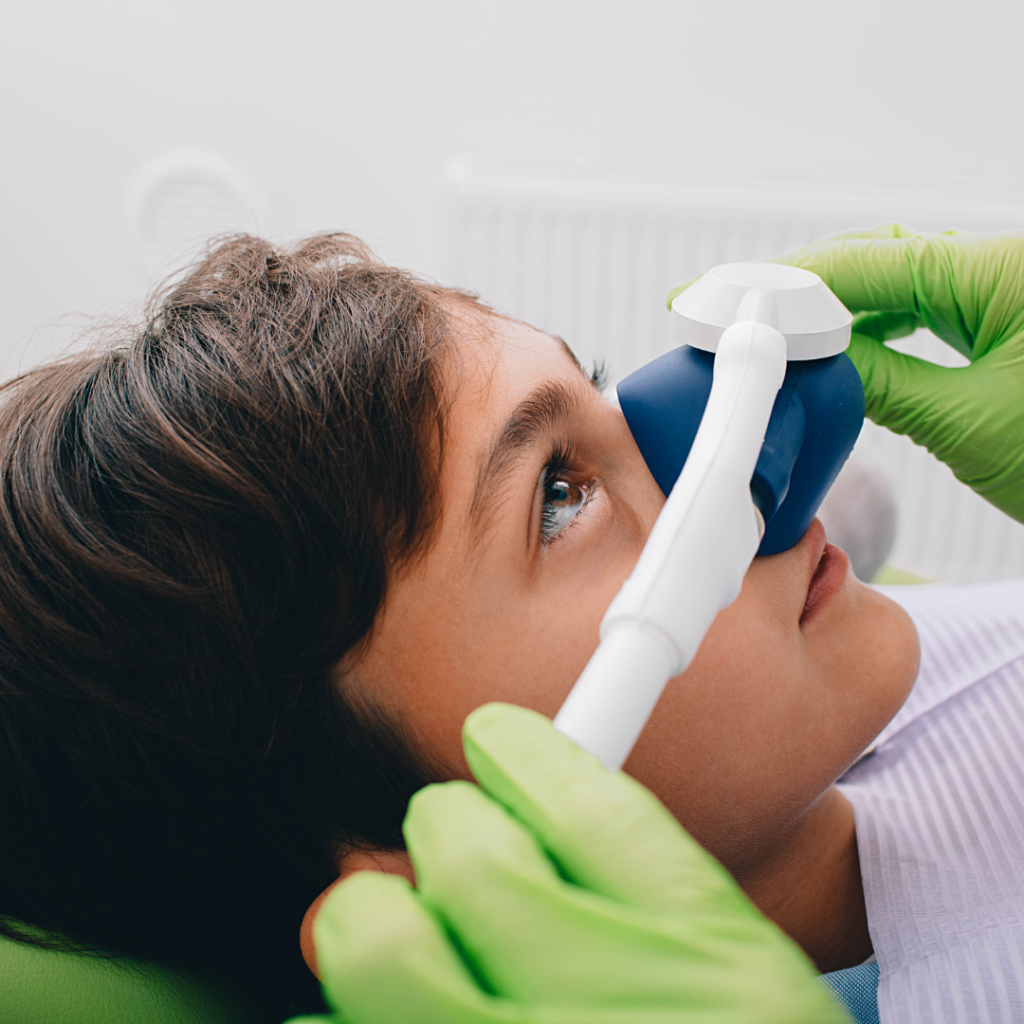
One common type of sedation is nitrous oxide, often referred to as “laughing gas.” This inhaled sedative works quickly to induce a state of relaxation and euphoria, helping to diminish feelings of anxiety and fear during dental treatments. Patients remain awake and aware, allowing effective communication with the dentist while reducing the sense of discomfort. The effects wear off rapidly following the procedure, enabling patients to resume their daily activities almost immediately.
Alternatively, oral sedatives can be administered prior to the appointment. These medications, usually in pill form, are ingested to help patients achieve a calm state before they arrive at the dental office. The level of sedation varies based on the dosage and the specific medication used, allowing for a flexible approach depending on individual anxiety levels. Dentists often monitor patients closely, ensuring their safety and adjusting sedation as necessary during treatment.
Safety and effectiveness of sedation options are primary concerns for both patients and dental professionals. Reputable dental practices adhere to strict guidelines and protocols, ensuring each methodology is conducted by qualified staff. Patients are encouraged to discuss any pre-existing conditions or concerns during the initial consultation, allowing for a customized sedation plan. Thus, sedation dentistry emerges as a valuable alternative, making dental visits more manageable for those affected by dental anxiety and fear.

Comfort Measures Offered by NJ Laser Dentistry
At NJ Laser Dentistry, the team is acutely aware of how dental anxiety and fear can impede patients from seeking necessary dental care. To counter these feelings, the clinic has employed a range of comfort measures designed to foster a nurturing and soothing environment. These initiatives aim to enhance the overall patient experience, making visits to the dentist more pleasant and less intimidating.
One of the primary comfort features available at NJ Laser Dentistry is the use of soft, cozy blankets. Patients can wrap themselves in these blankets, providing a sense of warmth and security that can be particularly beneficial for those who feel anxious. This small yet significant touch can dramatically change how a patient feels while seated in the dental chair.
Furthermore, the office’s design incorporates soothing colors that promote relaxation. The choice of calming hues in the waiting area and treatment rooms plays a crucial role in reducing dental anxiety. Shades of blue and green, known for their tranquillity, envelop the space, providing a serene backdrop that reassures patients as they await their procedures.
In addition to visual comfort, NJ Laser Dentistry integrates sensory experiences such as aromatherapy. The use of essential oils, like lavender and chamomile, can evoke calmness and help reduce stress levels. Aromatherapy has shown promise in managing anxiety, making it an effective tool in addressing dental-related fears.
Soft lighting further complements these comfort measures. The clinic opts for dim, adjustable lighting that creates a cozy atmosphere conducive to relaxation. Harsh fluorescent lights can often heighten anxiety, but the gentle glow at NJ Laser Dentistry encourages a more soothing experience.
Through these thoughtful and intentional comfort measures, NJ Laser Dentistry actively works to alleviate the dental anxiety and fear that many patients face visiting the dentist. By prioritizing a calming environment, the dental team significantly enhances the overall treatment experience.
Meet The Team Today!
Never experience pain at the dentist again with NJ Laser Dentistry. Laser treatment is at the forefront of dental treatment. NJ Laser takes pride in the fact we use state-of-the-art technology for all procedures, saving you money, time and pain. Contact us today to schedule a complementary consult and take the first step toward a beautiful, and confident smile.
Investing in your dental health is an investment in your happiness and well-being. Let us help you regain your smile and enhance your quality of life with our expertise and compassionate care.
Click here to see our specials offered. Click here for financing options.
Introduction to Laser Dentistry
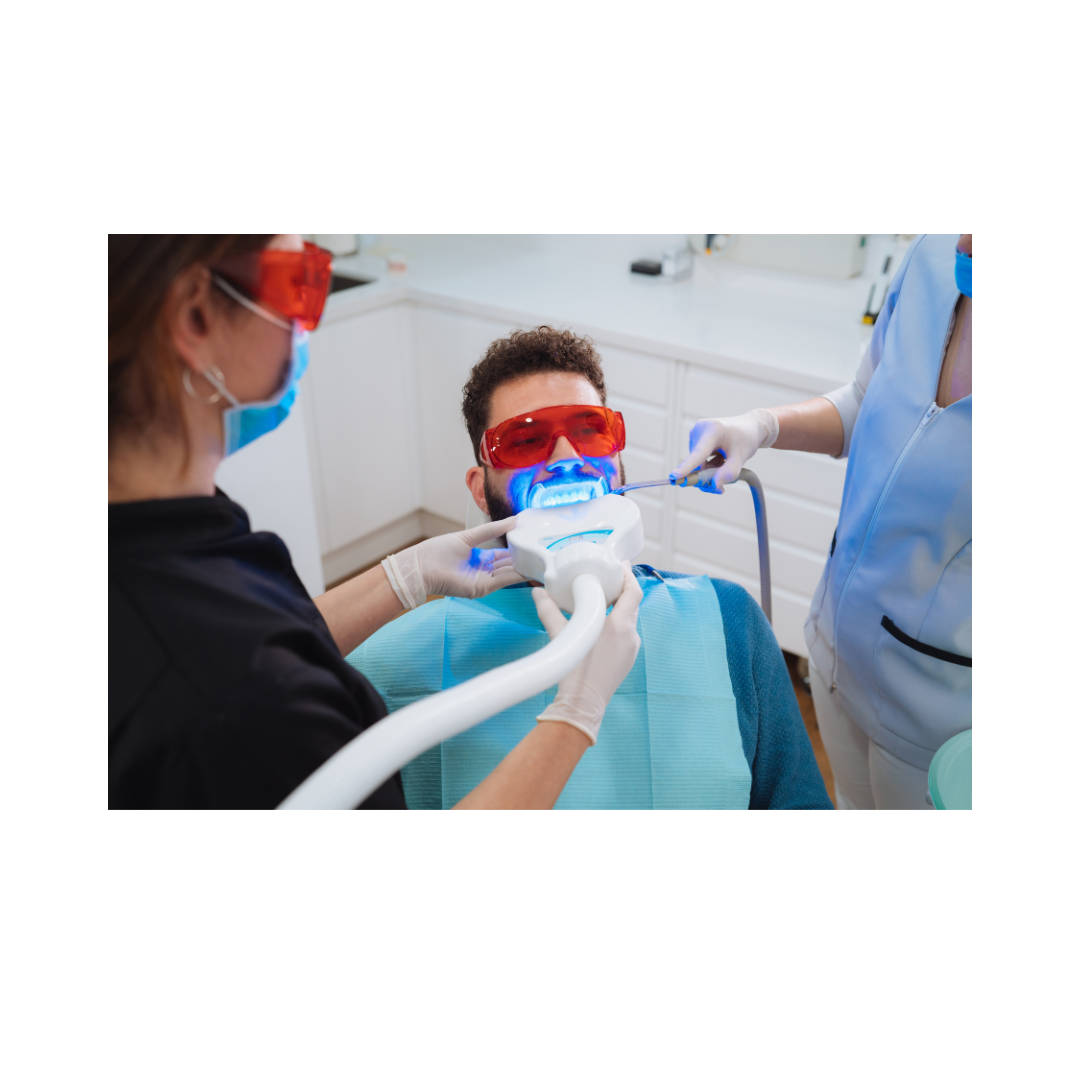
Laser dentistry is an innovative approach that utilizes advanced dental technology to perform various dental procedures with precision and minimal discomfort. Unlike traditional methods that often involve drills and other mechanical tools, laser dentistry employs focused light energy to target specific areas in the mouth. This technique not only enhances the efficiency of dental care but also significantly improves the overall patient experience.
The laser technology used at NJ Laser Dentistry in Tinton Falls, NJ, is at the forefront of modern dental practices. It enables practitioners to treat conditions such as gum disease and cavities with greater accuracy and less invasiveness. For instance, cavity treatment with lasers allows for the removal of decayed tissue while preserving more of the healthy tooth structure, resulting in more effective and long-lasting repairs.
One of the most significant benefits of laser dentistry is its ability to minimize dental anxiety relief for patients. The reduction in noise, vibrations, and pain often associated with conventional dental tools leads to a more relaxed atmosphere, making it an excellent choice for those who experience fear or anxiety during dental visits. Additionally, laser procedures typically require less local anesthesia, contributing to a more comfortable experience.
The versatility of laser dentistry extends to cosmetic dentistry as well, as the precision of lasers can be applied to procedures like teeth whitening and gum contouring. Furthermore, laser technology often leads to quicker healing times and less post-operative discomfort, allowing patients to return to their normal activities more rapidly.
As the demand for painless dental procedures continues to grow, laser dentistry stands out as a vital solution in modern dental care. Its numerous advantages, ranging from effective treatments to enhanced patient experiences, position it as a revolutionary advancement in the field of dentistry.
Reduced Discomfort and Pain
One of the most remarkable advantages of laser dentistry is its ability to significantly reduce discomfort and pain during various dental procedures. Traditional dental techniques often necessitate the use of anesthesia to manage pain effectively, which can lead to anxiety and a longer recovery period for patients. However, advanced dental technology utilized in laser treatments permits many procedures to be performed with minimal or no anesthesia, greatly enhancing the overall patient experience.
In Tinton Falls, NJ, dental care at NJ Laser Dentistry exemplifies this shift towards less invasive treatment methods. Using lasers for procedures such as cavity treatment, gum disease management, and cosmetic modifications minimizes trauma to the surrounding tissue, resulting in a smoother recovery process. Patients often report experiencing much lower levels of discomfort compared to conventional dental practices.
A multitude of clinical studies has demonstrated that laser dentistry, particularly in managing gum disease and performing cavity treatments, leads not only to reduced postoperative pain but also a quicker healing time. This technique specifically targets the affected area while preserving healthy tissue, which is crucial in ensuring patient comfort during and after treatment.
Testimonials from individuals who have undergone laser dental procedures at NJ Laser Dentistry highlight the profound difference in their overall perception of dental visits. Many emphasize how the relief from dental anxiety, often associated with traditional drilling methods, was a significant factor in choosing laser treatments for dental care. The innovative approach resolved fears and discomfort, creating a more positive outlook towards necessary dental procedures.
Ultimately, the benefits of laser dentistry transcend the immediate reduction of discomfort, establishing a path towards pain-free dental experiences and fostering better long-term relationships between patients and their dental professionals. Explore all the procedures laser treatment can be used for here.
Enhanced Precision and Safety
Laser dentistry has revolutionized the field of dental care in Tinton Falls, NJ, by providing enhanced precision and safety in various procedures. Traditional dental methods often involve physical tools that can inadvertently cause damage to surrounding tissues. In contrast, by utilizing advanced dental technology, laser dentistry offers a targeted approach that minimizes trauma to the gums and surrounding areas, which is especially beneficial during gum disease treatment and cavity treatment with lasers.
The use of lasers allows dentists to focus specifically on affected areas while conserving healthy tissue. This enhanced precision not only leads to more effective outcomes but also decreases the likelihood of complications post-treatment. For example, during procedures such as gum reshaping or cosmetic dentistry interventions, the pinpoint accuracy of lasers results in cleaner cuts and reduced bleeding, which can expedite recovery times. Patients can benefit from this laser’s ability to cut precisely without the need for invasive techniques.
Furthermore, the safety element inherent in laser dentistry cannot be overstated. Many individuals experience dental anxiety, a condition that can discourage them from seeking necessary dental care. By opting for painless dental procedures achieved through laser technology, patients often find a lower stress environment. The advanced technology of laser dentistry translates to less discomfort, which may encourage more patients to pursue regular dental check-ups rather than postponing care out of fear. This, in turn, bolsters overall oral health outcomes in the community.
The combination of enhanced precision and safety positions laser dentistry as a prominent choice for both routine and complex dental procedures. By choosing NJ laser dentistry in Tinton Falls, patients can expect an innovative approach that promotes not only safety but also heightened efficiency in achieving a brighter, healthier smile.
The Importance of Routine Dental Check-Ups
Routine dental check-ups are an essential aspect of maintaining optimal oral health and overall well-being. These regular visits to your dentist play a significant role in preventive dental care, allowing for the identification and treatment of various dental issues before they escalate into more severe concerns. By incorporating routine check-ups into your healthcare routine, you can ensure that potential problems such as cavities and gum disease are detected early, leading to more effective and less invasive treatments.
One of the primary benefits of dental exams is their role in early cavity detection. During these appointments, dentists perform thorough examinations to identify decay and cavities that might go unnoticed without professional evaluation. Early intervention not only saves time and money in the long run but also helps in preserving your natural teeth. Additionally, routine check-ups assist in gum disease prevention, which is crucial for maintaining the health of your gums and periodontal tissues. Untreated gum disease can lead to serious complications, including tooth loss and systemic health issues.
Another integral aspect of routine dental check-ups is their capacity to serve as an oral cancer screening tool. Dental professionals are trained to identify unusual lesions or signs of oral cancer, which is often asymptomatic in its initial stages. Early detection through regular check-ups can significantly impact prognosis and treatment outcomes. Finding a dentist who emphasizes these important aspects of dental care can enhance your experience and make your dental visits more rewarding.
Finally, engaging in routine dental check-ups fosters a beneficial relationship between patients and their dentists. This collaboration contributes to ongoing oral health education, empowering individuals to make crucial lifestyle changes to improve their oral health. By prioritizing these check-ups, individuals can invest in their health and quality of life, underscoring the undeniable importance of routine dental care.
Early Detection of Dental Issues: The Key Benefit
Routine dental check-ups play a crucial role in the early detection of various dental issues, which can significantly affect overall oral health. During these examinations, dental professionals carefully assess one’s teeth, gums, and other soft tissues in the mouth, identifying potential problems that may not be noticeable during daily hygiene practices. For instance, early cavity detection is vital, as untreated cavities can lead to more severe tooth decay, requiring more invasive treatments like root canals or extractions.
Routine dental check-ups play a crucial role in the early detection of various dental issues, which can significantly affect overall oral health. During these examinations, dental professionals carefully assess one’s teeth, gums, and other soft tissues in the mouth, identifying potential problems that may not be noticeable during daily hygiene practices. For instance, early cavity detection is vital, as untreated cavities can lead to more severe tooth decay, requiring more invasive treatments like root canals or extractions.
Additionally, regular dental visits are essential for gum disease prevention. Gum disease often starts without visible symptoms, making professional evaluations important for early identification. If detected early, the condition can often be treated with non-invasive methods, such as scaling and root planing, greatly improving the individual’s oral health and reducing the risk of tooth loss associated with advanced periodontal diseases.
Another critical aspect of routine dental check-ups is the oral cancer screening provided by dentists. Oral cancer can develop without obvious signs, and early detection is key to successful treatment. Dentists are trained to recognize the subtle signs that might indicate oral cancer, leading to timely intervention, which is paramount to improving survival rates. Moreover, these examinations are a proactive measure that empowers individuals to take charge of their preventive dental care.
In this context, seeking out professional dental services becomes imperative. Whether looking to find a dentist in your area or exploring options like NJ laser dentistry, the benefits of dental exams extend far beyond mere cleanup and maintenance. They serve as a foundation for maintaining long-term oral health by ensuring that potential issues are detected and treated promptly, thus fostering better overall health outcomes for patients.
What to Expect During a Routine Dental Check-Up
A routine dental check-up generally involves a comprehensive examination of a patient’s oral health, conducted by a qualified dental professional. At the onset of the appointment, the dentist will review the patient’s medical and dental history. This information is critical for identifying any potential concerns that may affect preventive dental care. After this initial assessment, a physical examination of the teeth, gums, and mouth begins.
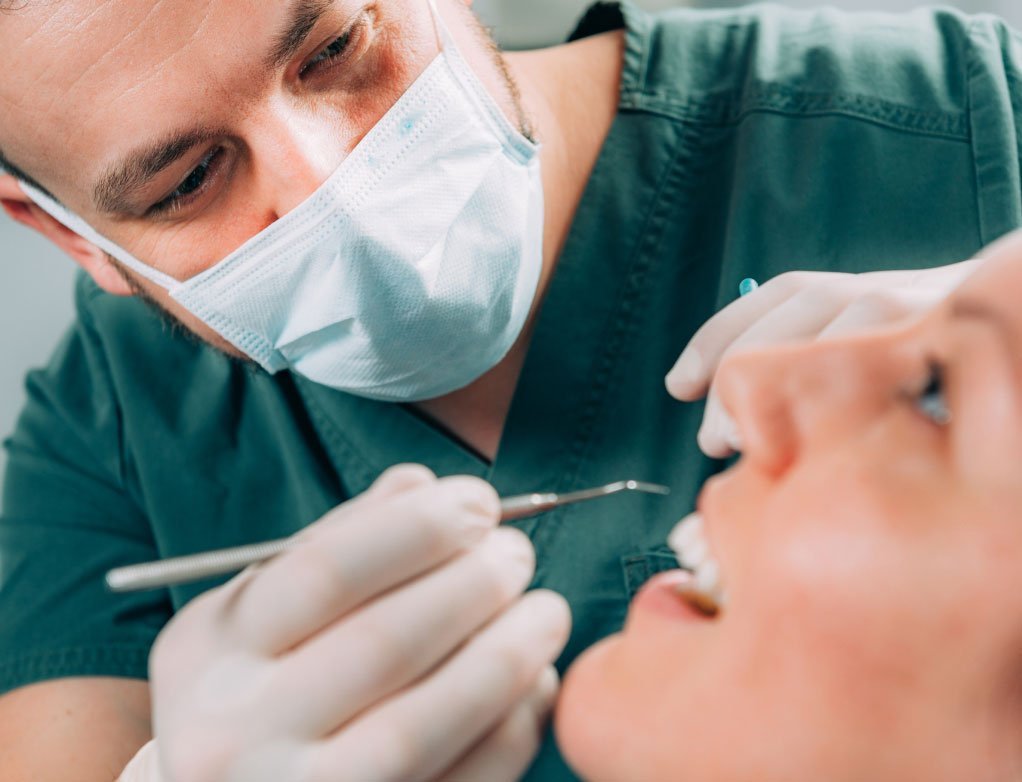
During the exam, the dentist employs various tools to facilitate a thorough inspection. A dental mirror allows for better visibility of hard-to-see areas, while a dental probe is used to check for signs of gum disease and early cavity detection. These tools are critical in ensuring that dentists can identify any hidden issues promptly. The dentist also evaluates the alignment of the teeth, any wear patterns, and potential malocclusions.
In addition to a visual examination, dental professionals may utilize X-rays to gain a deeper insight into a patient’s dental health. These images can reveal problems that are not yet visible, such as cysts, tumors, and the condition of the jawbone. Depending on the dentist’s findings, additional examinations may include specific assessments for oral cancer screening, which is a vital component of preventive dental care.
Following the examination, the dentist will discuss findings and recommendations with the patient. This conversation often includes advice on good oral hygiene practices and appropriate care routines tailored to the individual’s needs. Furthermore, a dental cleaning might be scheduled if necessary, ensuring that plaque and tartar buildup are adequately addressed to further support gum disease prevention.
Overall, routine dental check-ups are essential for maintaining oral health and preventing more significant issues in the future. As you seek to find a dentist in your area, consider those who are known for their commitment to comprehensive dental examinations, such as NJ laser Dentistry practices, which can enhance your experience and effectiveness of the dental care received. For more detailed information visit our HealthPartners.
During your consultation at NJ Laser Dentistry, we will assess your individual situation and discuss the results of your routine check-up.
Everything You Need to Know About All-on-X Dental Procedures
Are you considering a solution for missing teeth? All-on-X dental procedures might be the answer you’ve been searching for. This innovative approach offers a permanent solution for those who have lost multiple teeth, providing a natural-looking and functional smile in a single day.
What is All-on-X?
The All-on-X system, also known as All-on-4 or All-on-6, is a dental implant technique that uses four to six strategically placed implants to support an entire arch of replacement teeth. This method is ideal for patients with significant tooth loss or those who need full-arch restoration. Here are some key features of All-on-X procedures:
- Immediate Functionality: You can enjoy a new smile in just one day.
- Minimally Invasive: Fewer implants mean less surgery and quicker recovery.
- Cost-Effective: Saves money compared to traditional dental implants.
- Natural Aesthetics: Restores your smile to its natural appearance.
Benefits of All-on-X Dental Implants
- Enhanced Comfort: Unlike dentures, All-on-X implants are fixed, eliminating the discomfort associated with removable options.
- Improved Oral Health: Implants help preserve jawbone health, preventing deterioration that often follows tooth loss.
- Long-Lasting Results: With proper care, All-on-X implants can last a lifetime.
- Boosted Confidence: A beautiful smile can significantly improve self-esteem and overall quality of life.
The All-on-X Procedure
The All-on-X procedure involves several steps:
- Consultation and Planning: Your dentist will evaluate your oral health, take X-rays, and create a personalized treatment plan.
- Implant Placement: Under local anesthesia, implants are strategically placed in the jawbone.
- Temporary Restoration: You’ll receive a temporary prosthesis to wear while your implants integrate with the bone.
- Final Restoration: Once healed, a permanent bridge is placed on the implants, completing your smile transformation.
Recovery and Aftercare
Recovery times can vary based on individual health and circumstances. However, most patients can return to normal activities within a few days. Here are some tips for a smooth recovery:
- Follow Post-Operative Instructions: Your dentist will provide specific aftercare guidelines, including dietary recommendations and hygiene practices.
- Manage Discomfort: Over-the-counter pain medications can help manage any discomfort during the initial recovery period.
- Regular Check-Ups: Schedule follow-up visits to monitor your healing process and ensure that your implants are integrating properly.
- Maintain Oral Hygiene: Brush and floss regularly, as maintaining good oral hygiene is crucial for the long-term success of your implants.
Are You a Candidate for All-on-X?
Many people are potential candidates for All-on-X dental procedures. Ideal candidates typically have:
- Missing teeth or severe dental wear
- Sufficient jawbone density to support the implants (though bone grafting may be an option for those with bone loss)
- Overall good health, as certain medical conditions may affect healing
During your consultation at NJ Laser Dentistry, we will assess your individual situation and discuss whether All-on-X is the right choice for you.